Why Dermatologists Recommend Silicone Over Creams for Scars, Wrinkles & Skin Healing
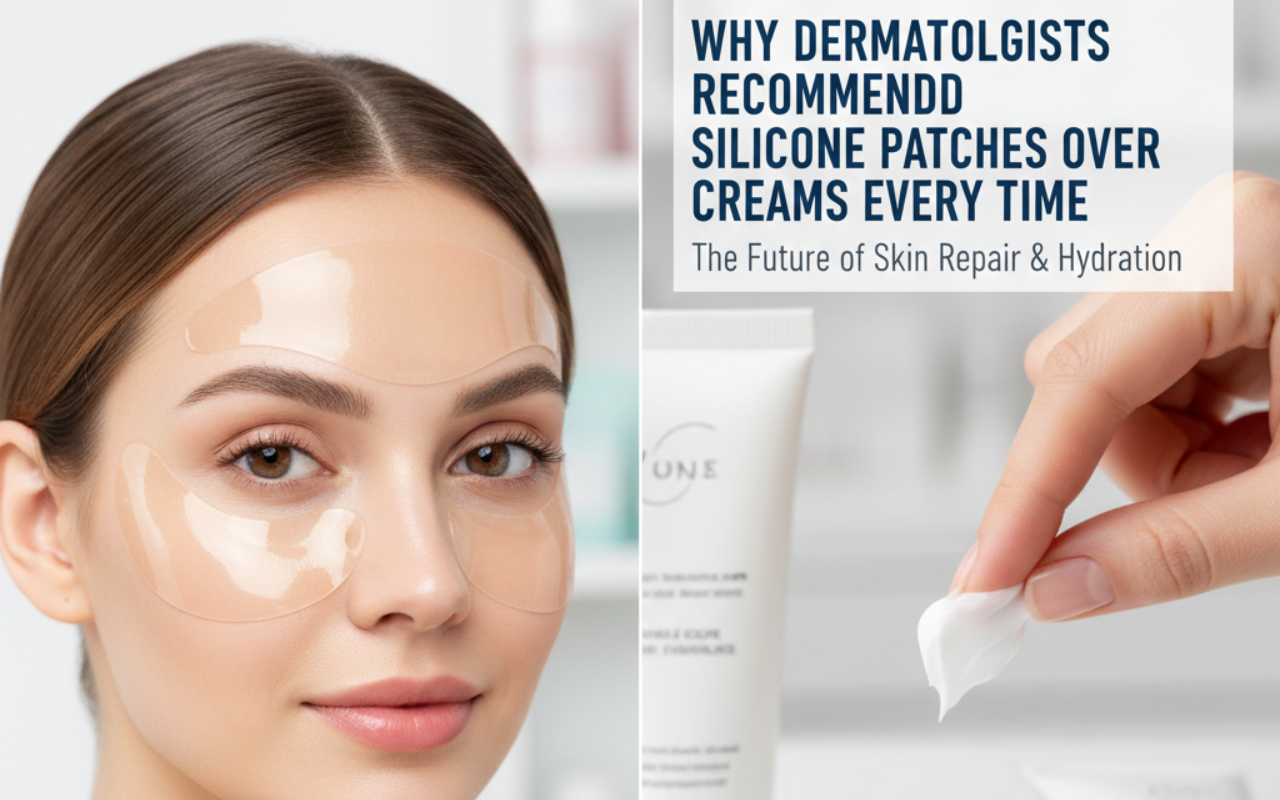
When it comes to treating scars, wrinkles, and compromised skin, dermatologists consistently turn to medical-grade silicone, not creams, oils, or serums.
While topical products can support the skin’s surface, silicone works differently. It doesn’t rely on active ingredients or absorption. Instead, it creates the ideal healing environment, allowing your skin to repair itself naturally and efficiently.
This is why silicone has been used in hospitals and dermatology clinics for decades, long before it became a skincare staple.
Why Silicone Is the Gold Standard in Dermatology
Medical-grade silicone is considered a first-line treatment for scar management and skin repair.
Dermatologists recommend silicone because it:
- Works continuously, not temporarily
- Doesn’t evaporate or rub off
- Doesn’t depend on chemical actives
- Is safe for long-term, daily use
- Is suitable for sensitive and post-procedure skin
- Is pregnancy and breastfeeding safe
Unlike creams, silicone doesn’t attempt to “fix” the skin; it supports the skin’s natural healing mechanisms.
How Silicone Patches Work (Compared to Creams)
Silicone Patches
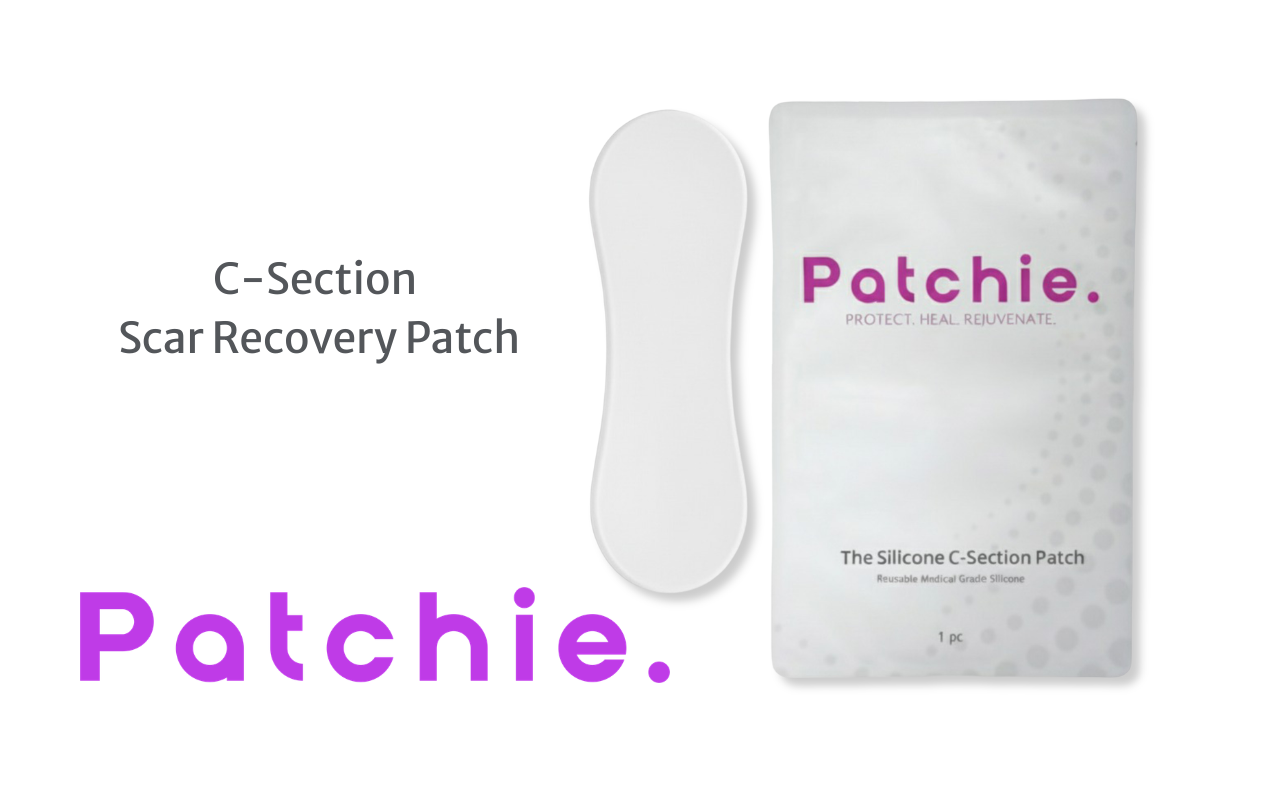
Silicone patches sit on the skin and create an occlusive barrier that:
- Locks in moisture
- Reduces transepidermal water loss (TEWL)
- Regulates collagen production
- Protects the area from friction and bacteria
They work 24/7 while worn, making them especially effective overnight, when skin regeneration is at its peak.
Creams & Serums
Topical creams:
- Absorb quickly
- Require frequent reapplication
- Can be disrupted by sweat, clothing, or sleep
- Often rely on active ingredients that may irritate healing skin
Creams can be helpful alongside silicone — but they rarely replace it for scars or structural skin repair.
What Conditions Do Dermatologists Use Silicone For?
Silicone patches are clinically supported for a wide range of skin concerns.
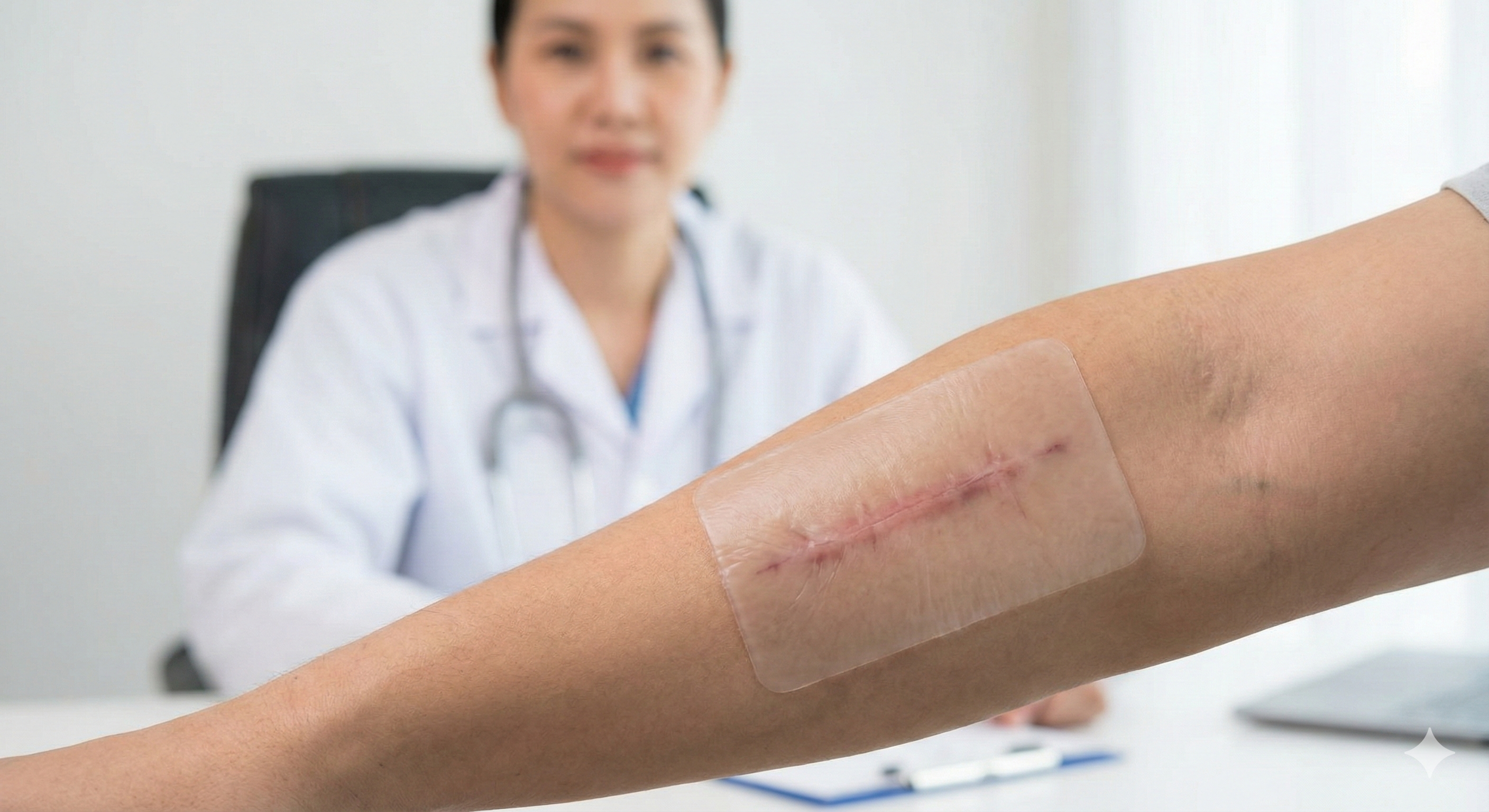
✔️ Surgical & Medical Scars
- C-section scars
- Cosmetic surgery incisions
- Laparoscopic scars
- Orthopaedic or abdominal scars
Silicone is widely recommended to:
- Flatten raised scars
- Reduce redness and pigmentation
- Improve flexibility and comfort
✔️ Stretch Marks
Stretch marks are a form of dermal scarring. Silicone patches help:
- Improve texture
- Support collagen remodelling
- Reduce visible redness over time
They are commonly used during and after pregnancy, weight changes, and muscle gain.
✔️ Wrinkles & Fine Lines
When used on areas prone to creasing such as the:
- Forehead
- Décolletage
- Neck
- Smile lines
Silicone patches:
- Deeply hydrate the skin
- Prevent overnight creasing
- Support smoother, firmer skin over time
Many users notice visible softening within weeks.
✔️ Acne & Acne Scars
Silicone helps calm healing skin by:
- Reducing irritation
- Protecting post-blemish marks
- Supporting barrier repair
It’s especially helpful once active acne has settled.
✔️ Post-Procedure Recovery
After treatments like:
- Laser
- Microneedling
- Injectables
- Chemical peels
Silicone patches can support skin recovery (always follow practitioner guidance).
How Silicone Supports Collagen & Skin Repair
Scar formation occurs when collagen production becomes disorganised. Silicone helps:
- Regulate collagen synthesis
- Soften hardened scar tissue
- Reduce inflammation
This is why scars treated with silicone often become:
- Flatter
- Paler
- More flexible
- Less noticeable
Over time, skin texture visibly improves.
How Long Does It Take to See Results?
Results vary depending on the concern, but typical timelines include:
- Wrinkles: 2–4 weeks of consistent use
- Scars: visible improvement in 4–8 weeks
- Stretch marks: gradual changes over 8–12 weeks
Consistency matters more than intensity; silicone works best when worn regularly.
Are Silicone Patches Safe?
Medical-grade silicone is:
- Clinically tested
- Drug-free
- Pregnancy & breastfeeding safe
- Suitable for sensitive skin
This makes it one of the safest long-term skin treatments available.
The Bottom Line
Dermatologists recommend silicone not because it’s trendy but because it works.
By creating the optimal environment for healing, silicone patches outperform creams when it comes to scars, wrinkles, and skin repair.
They don’t promise instant results but they deliver real, lasting improvement through consistency and science.