What No One Tells You About C-Section Healing: Why Surface Care is Only Step One

For many new mothers, the postpartum period is a whirlwind of newborn cuddles, sleep deprivation, and a sudden, intense focus on physical recovery. If you’ve brought your little one into the world via Caesarean section, that recovery comes with an extra layer of complexity.
The conversation around C-section recovery often centres on the "scar"—that thin line on the lower abdomen. We talk about when the staples come out, when we can start exercising again, and how to get rid of the "C-section shelf." But there is a silent part of this journey that rarely gets discussed in the doctor's office or in parenting forums: the seven layers of internal healing.
To truly recover, we have to look past the surface. Understanding the biology of what is happening underneath your skin is the first step toward a recovery that leaves you feeling strong, mobile, and confident in your skin.
The "Seven Layer" Reality
A C-section is not "just" a birth; it is a major abdominal surgery. To reach your baby, surgeons must carefully navigate through seven distinct layers of your body:
- The Skin
- Subcutaneous fat (the layer right under the skin)
- Fascia (the tough connective tissue that holds your muscles)
- Muscle (which is usually spread apart rather than cut)
- Peritoneum (the lining of the abdominal cavity)
- Uterus (the muscular wall of the womb)
- Amniotic sac
When the surgery is over, your body begins the monumental task of knitting all seven of these layers back together simultaneously. While your skin might look "closed" within two weeks, the deeper layers especially the fascia and the uterine wall can take months, or even a full year, to completely remodel and regain their original strength.
The Danger of "Adhesions": The Invisible Scar
The biggest risk in C-section recovery isn't actually the visible scar; it's what happens in the dark. As the body heals, it produces collagen fibres to bridge the gaps in the tissue. Think of this collagen like internal "glue."
In an ideal healing environment, this glue stays exactly where it’s supposed to. However, if the area is inflamed or lacks proper hydration, that glue can spread, causing different layers of tissue to stick together. These are called adhesions.
Adhesions can cause the bladder to stick to the uterus, or the abdominal muscles to stick to the fascia. This is the primary cause of that "tugging" or "pulling" sensation many women feel months after birth. In some cases, it can even lead to chronic pelvic pain or digestive issues. This is why surface-level care isn't enough—we need to influence the environment of the entire wound site.
Why Your Current Skincare Might Be Failing You
If you’ve been browsing the aisles for "scar creams" or "stretch mark oils," you’ve likely seen a lot of promises. Vitamin E, Cocoa Butter, and Bio Oils are staples in the pregnancy community. While these products are great for general skin softness, they are often insufficient for surgical recovery for one simple reason: Trans-Epidermal Water Loss (TEWL).
When skin is damaged, its ability to hold onto moisture is compromised. When you apply an oil or a cream, much of it is either absorbed into your clothing or evaporates into the air within thirty minutes. To heal deep tissue, the skin needs occlusion; a physical barrier that forces moisture to stay trapped within the skin layers.
Without this barrier, the skin becomes "thirsty." When skin is thirsty, it sends an emergency signal to the brain to send more collagen to the area to prevent further moisture loss. This overproduction of collagen is exactly what leads to raised, thick, or "keloid" scars.
The Science of the Silicone Patch
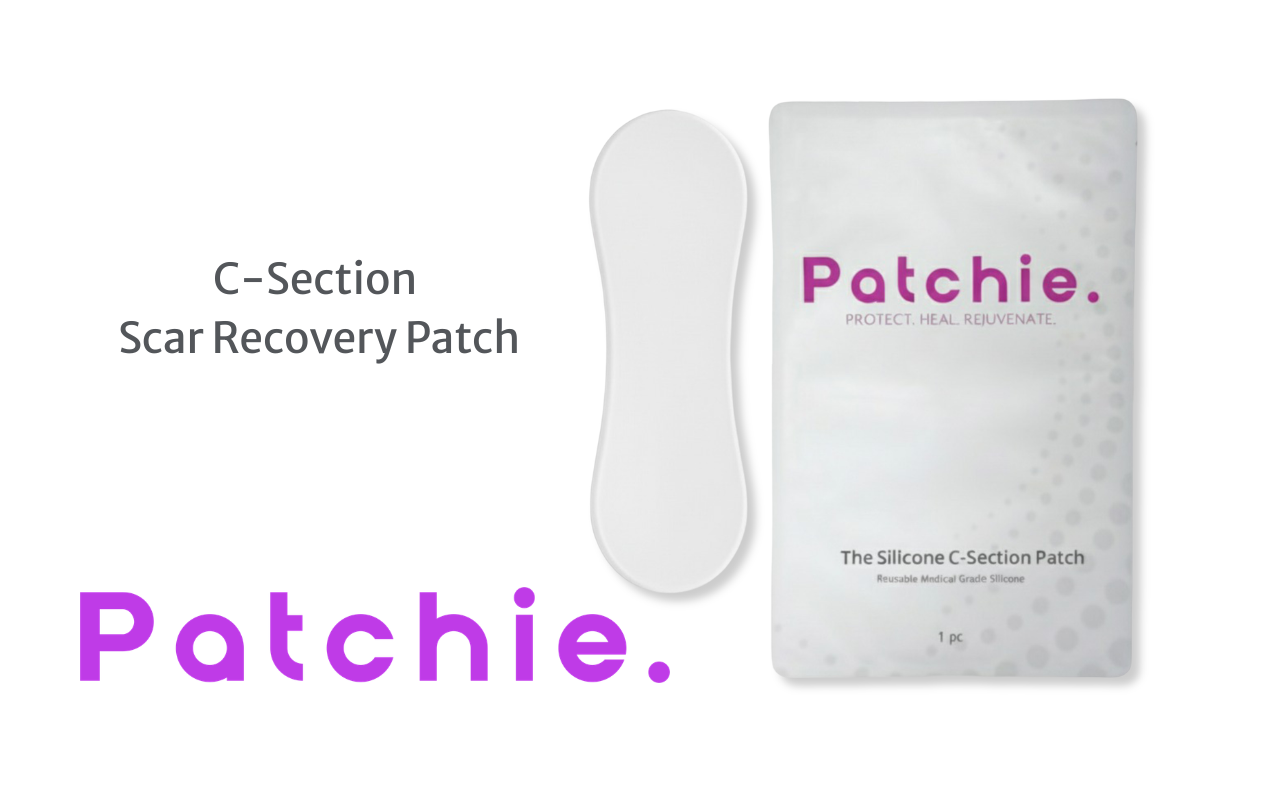
This is where the Patchie C-Section Patch moves from a "beauty product" to a "medical-grade recovery tool." Silicone sheeting has been the gold standard in burn units and plastic surgery clinics for decades, and for good reason.
1. The Micro-Climate Effect
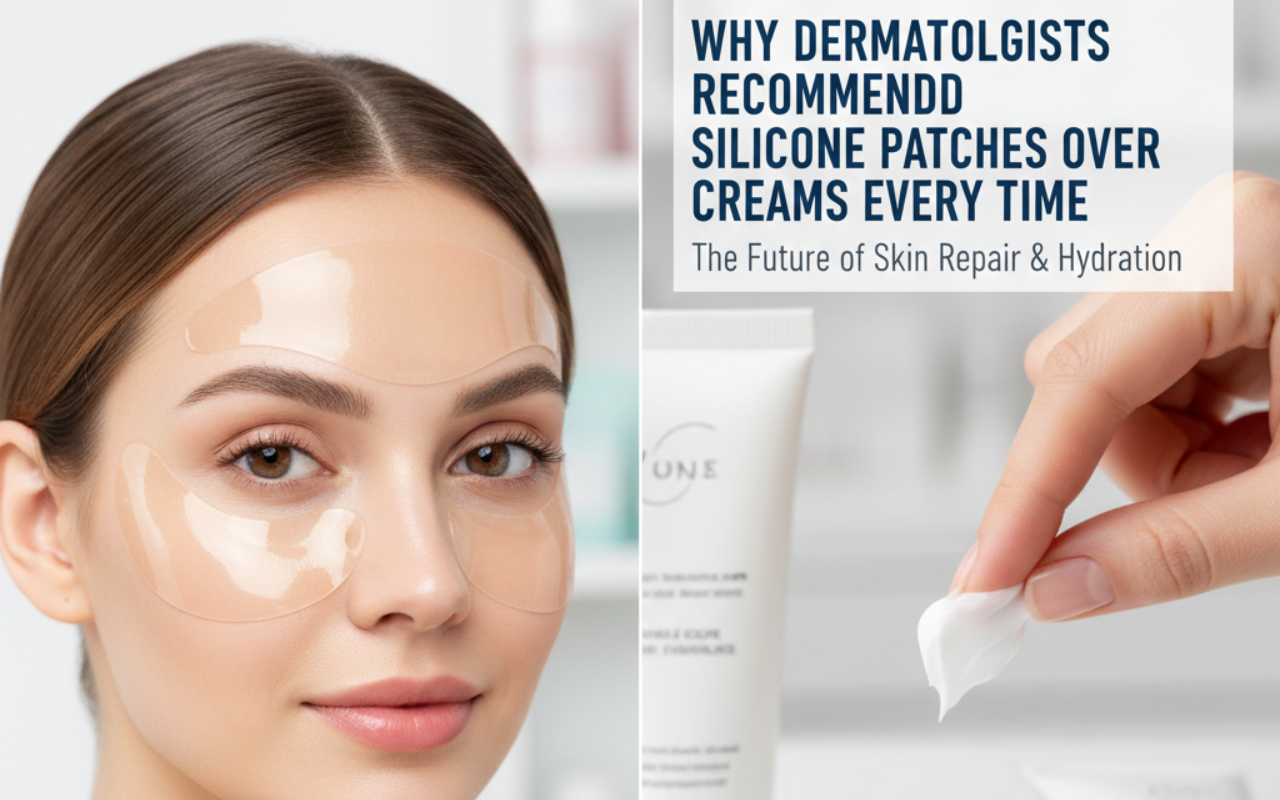
A silicone patch creates a "hydrophobic" environment. By sealing the scar off from the air, it creates a high-pressure moisture zone. This tells your body, "The barrier is secure. You can stop producing emergency collagen now." This results in a flatter, softer, and more flexible scar.
2. Dermal Stabilization
Every time you cough, laugh, or lift your baby, you are putting "micro-tension" on your incision. These tiny pulls interfere with the knitting process of those seven layers. A patch provides a subtle layer of structural support, acting like a second skin that takes the brunt of that tension so your actual skin can rest.
3. Temperature Regulation
Did you know that scars heal better when they are kept at a consistent, slightly elevated temperature? A patch helps maintain "sub-surface" heat, which increases enzyme activity that breaks down excess scar tissue.
The "Shelf" and the Lymphatic System
Many women struggle with the "C-section shelf"—the pouch of skin that hangs over the scar. While some of this is related to fat distribution, a large portion is often caused by lymphatic fluid backup. The horizontal incision of a C-section acts like a "dam" for your body's natural drainage system. By using a patch and eventually incorporating gentle "scar massage" (once cleared by a doctor), you help soften the tissue so that lymphatic fluid can flow freely again, significantly reducing the appearance of the "shelf."
A New Philosophy of Postpartum Care
We live in a culture that tells women to "bounce back." This is not only unrealistic; it’s biologically dangerous. True recovery isn't about how fast you can get back into your pre-pregnancy jeans; it’s about the integrity of your tissue and the health of your internal organs.
By choosing a recovery method that focuses on deep-tissue hydration and stabilization, you aren't just "fixing a scar." You are:
- Reducing the risk of chronic pain.
- Ensuring your skin has the elasticity for future pregnancies.
- Giving yourself the physical comfort to focus on your baby, rather than your discomfort.
Final Thoughts
Your C-section scar is a testament to the incredible feat of bringing life into the world. It deserves to be treated with the same awe and care that you give to your newborn. Move beyond the creams, ignore the "quick fixes," and invest in technology that understands the depth of your healing.
Your body did something miraculous. Now, give it the environment it needs to become whole again.