The Science of Silicone Patches: How They Heal Scars From Acne, Stretch Marks, C-Sections, Surgery & More (2025 Guide)
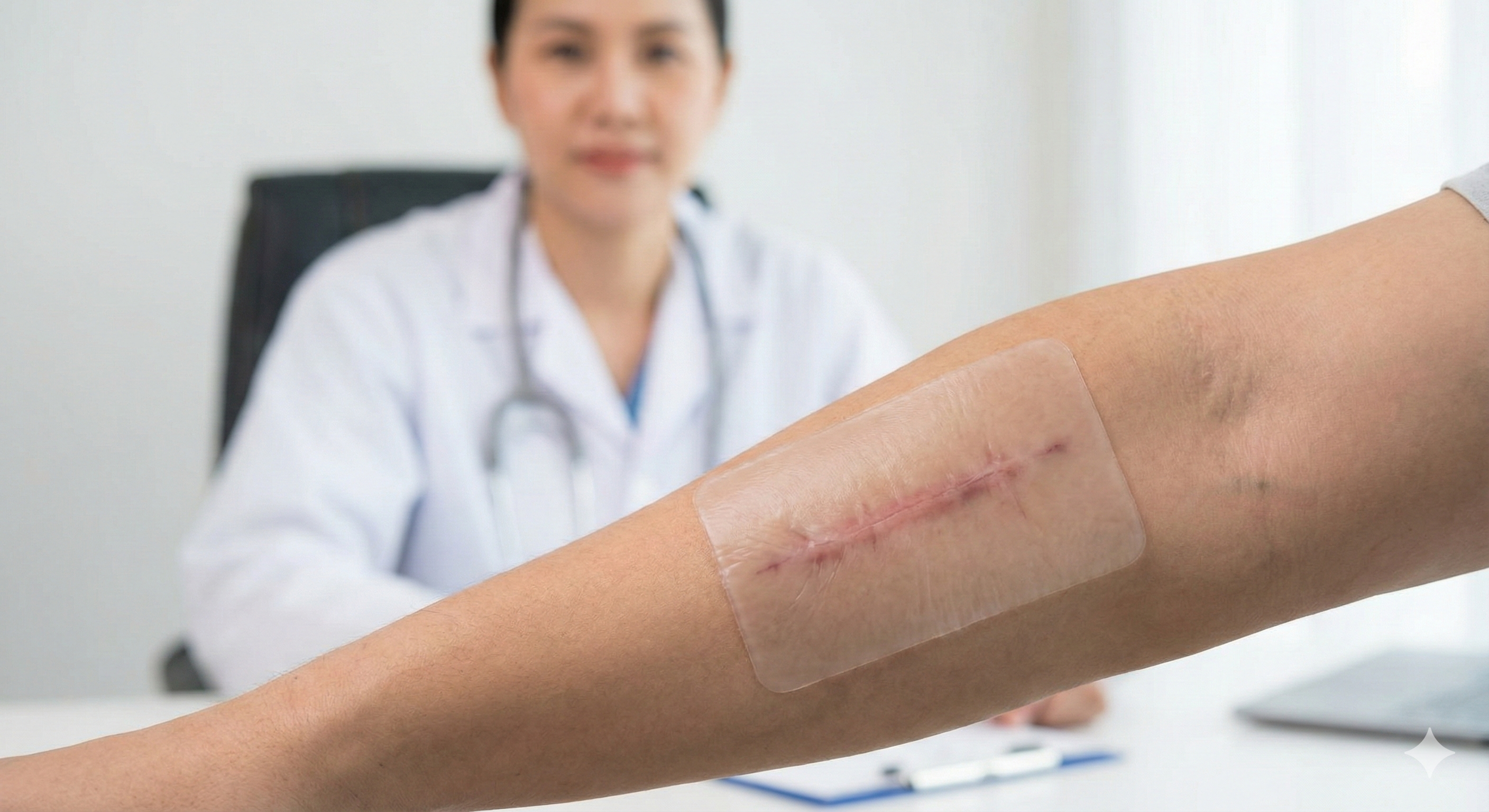
Scars tell a story, one of healing, strength, and recovery, but that doesn’t mean you have to live with them forever. Whether yours came from acne, a C-section, plastic surgery, burns, stretch marks, or an old injury, one method has consistently proven effective across hospitals, dermatology clinics, burn units, and plastic surgery practices worldwide: medical-grade silicone patches.
Unlike oils, creams, or harsh active ingredients, silicone isn’t skincare. It’s medicine. It is considered the gold standard for non-invasive scar management, backed by more than 30 years of clinical evidence and supported by leading dermatologists globally.
This guide explores why silicone works, what types of scars it improves, and the medical research that keeps it at the top of scar treatment recommendations in 2025.
Why Silicone Is the Gold Standard for Scar Treatment
Medical-grade silicone isn’t new — it has been used since the 1980s in hospital burn units and post-operative care. Its effectiveness is backed by clinical trials, including:
-
Cochrane Review confirming silicone improves hypertrophic and keloid scars
https://pubmed.ncbi.nlm.nih.gov/21249671/ -
Aesthetic Plastic Surgery study showing silicone reduces thickness, colour and hardness of scars
https://pubmed.ncbi.nlm.nih.gov/15164233/ -
Burns Journal research proving silicone normalises hydration and softens raised scars
https://pubmed.ncbi.nlm.nih.gov/10716369/ -
American Academy of Dermatology recommends silicone as a first-line treatment
https://www.aad.org/public/cosmetic/scars -
Cleveland Clinic highlighting silicone as one of the best non-invasive scar therapies
https://my.clevelandclinic.org/health/treatments/14408-scar-revision -
Royal Children’s Hospital Burn Unit (Melbourne) using silicone sheets as standard care
https://www.rch.org.au/burns/consumers/Scar_management/
What makes silicone so powerful is its ability to create the ideal healing environment without adding chemicals, ingredients, acids or fragrances. It works with your skin — not against it.
How Silicone Patches Actually Heal Scars
All scars form when the body produces collagen to repair an injury. But the collagen can become disorganised, excessive, raised, stretched, or sunken. Medical-grade silicone helps regulate this process in four key scientifically established ways:
1. Hydration Normalisation
Scar tissue loses water faster than healthy skin. Silicone slows this loss, keeping the area hydrated and allowing collagen fibres to reorganise more evenly. This is why silicone-treated scars appear softer and smoother.
Study reference:
https://pubmed.ncbi.nlm.nih.gov/10716369/
2. Collagen Regulation
Silicone influences fibroblast activity — the cells responsible for collagen production. When collagen is produced too quickly or irregularly, scars become raised or firm. Silicone helps normalise this behaviour, promoting flatter, more flexible scars.
Study reference:
https://pubmed.ncbi.nlm.nih.gov/15164233/
3. Barrier Protection
Scars are sensitive to:
- UV light
- Friction from clothing
- Bacteria
- Sweat
- Irritation
Silicone forms a breathable, protective barrier that reduces redness, itching, and inflammation. This shielding effect allows the scar to remodel more peacefully.
AAD reference:
https://www.aad.org/public/cosmetic/scars
4. Gentle Pressure Therapy
Pressure has been used for decades in burn medicine to prevent raised scarring. Silicone offers a lightweight version of this same principle, helping flatten hypertrophic or early keloid scars over time.
Cochrane Review reference:
https://pubmed.ncbi.nlm.nih.gov/21249671/
Altogether, silicone creates a micro-environment that supports healthy collagen organisation — leading to scars that look smoother, lighter, softer, and more blended with surrounding skin.
Scars Silicone Patches Are Proven to Improve
One of the most remarkable things about silicone therapy is its versatility. It works across almost every scar category — fresh or old, raised or stretched, surgical or accidental.
Acne Scars
Acne scars, especially red or healing marks, respond well to silicone thanks to its ability to reduce pigmentation and improve texture. Dermatologists commonly recommend silicone as part of acne scar aftercare for healing skin.
Stretch Marks
Stretch marks are tiny dermal tears caused by rapid skin stretching. While not raised scars, they still involve disrupted collagen. Silicone helps hydrate, soften, and improve the look of both fresh and older stretch marks, especially across the belly, hips and breasts.
C-Section Scars
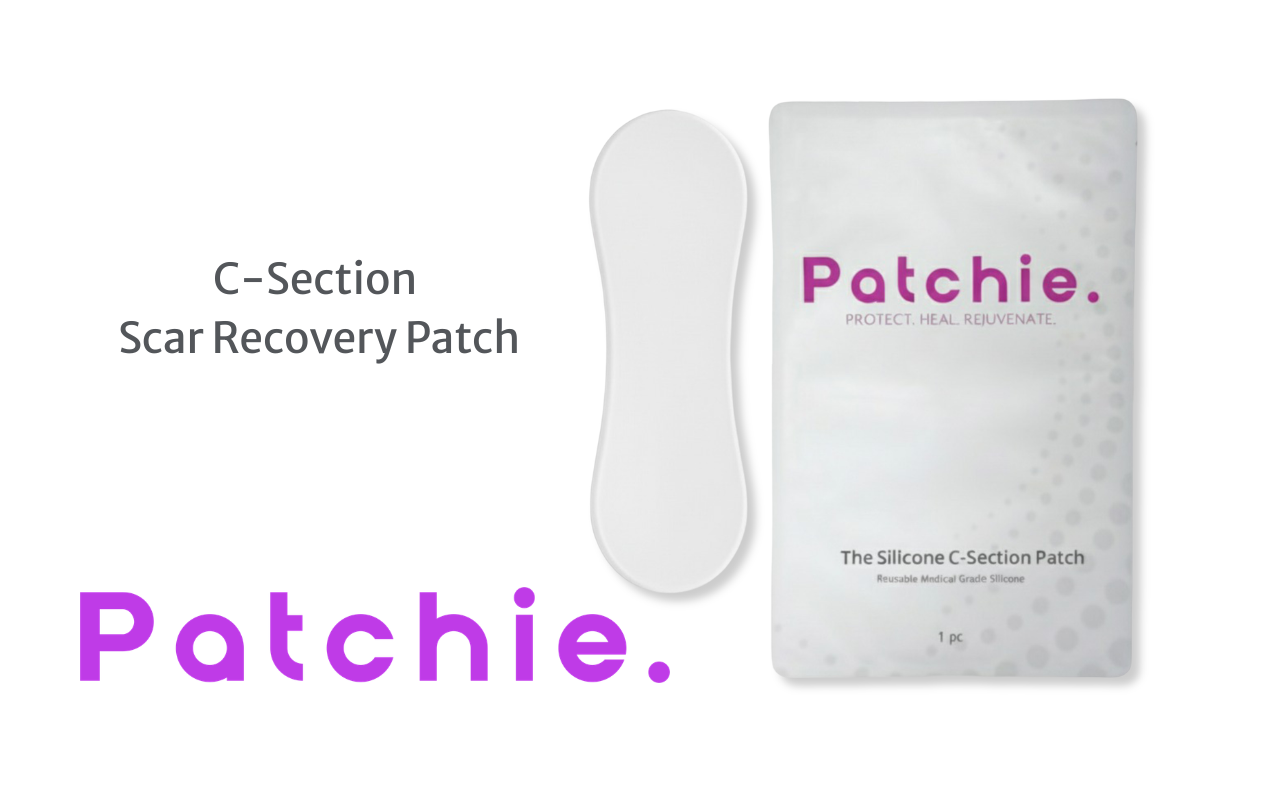
This is one of the best-documented uses for silicone therapy. Once the incision has fully closed, silicone helps:
- flatten raised tissue
- soften tight areas
- reduce redness
- improve flexibility
- minimise long-term scarring
The Cleveland Clinic specifically lists silicone as one of the most effective non-surgical options for C-section recovery.
Cosmetic & Plastic Surgery Scars
Surgeons frequently recommend silicone after:
- tummy tucks
- breast lift/augmentation/reduction
- rhinoplasty
- eyelid surgery
- mole removal
- liposuction
- facelift incisions
Silicone supports smoother healing and helps prevent hypertrophic scars.
Hypertrophic & Keloid Scars
Raised scars occur when collagen builds up too quickly. Silicone helps regulate this overproduction, soften the thickness, and reduce discomfort. It is not a cure for severe keloids, but numerous studies support its effectiveness on early or moderately raised scars.
Cochrane Review:
https://pubmed.ncbi.nlm.nih.gov/21249671/
Burn Scars
Burn units around the world use silicone as a key part of scar management. The Royal Children’s Hospital Burn Unit (Melbourne) lists silicone sheets as standard protocol to improve softness, colour, and comfort.
Injury, Trauma & Everyday Scars
Silicone helps improve scars from cuts, abrasions, falls, sports injuries and accidental wounds once they are fully healed.
Cosmetic Procedure Marks
It’s also effective for the small scars left after:
- laser treatments
- microneedling
- biopsies
- dermatologic surgeries
Silicone reduces redness and helps calm inflammation as the skin rebuilds.
How Long It Takes to See Improvements
Clinical studies generally observe silicone usage over 8–12 weeks, with many showing significant improvement in colour, height and texture within the first month. Newer scars often respond faster, while older scars can continue improving for several months.
Because silicone works by reorganising collagen; a slow and steady biological process, results build cumulatively over time.
Final Thoughts: A Proven, Safe & Effective Way to Improve Scars
Silicone patches have earned their place as the gold standard in scar treatment because the evidence is undeniable. They’re non-invasive, safe for all skin types (including pregnancy and sensitive skin), and supported by decades of scientific research, surgical practice and hospital use.
Whether your goal is to soften a C-section scar, fade acne marks, improve stretch marks, reduce surgery scars, or treat old injury scars, medical-grade silicone creates the ideal environment for your skin to heal itself — naturally and effectively.