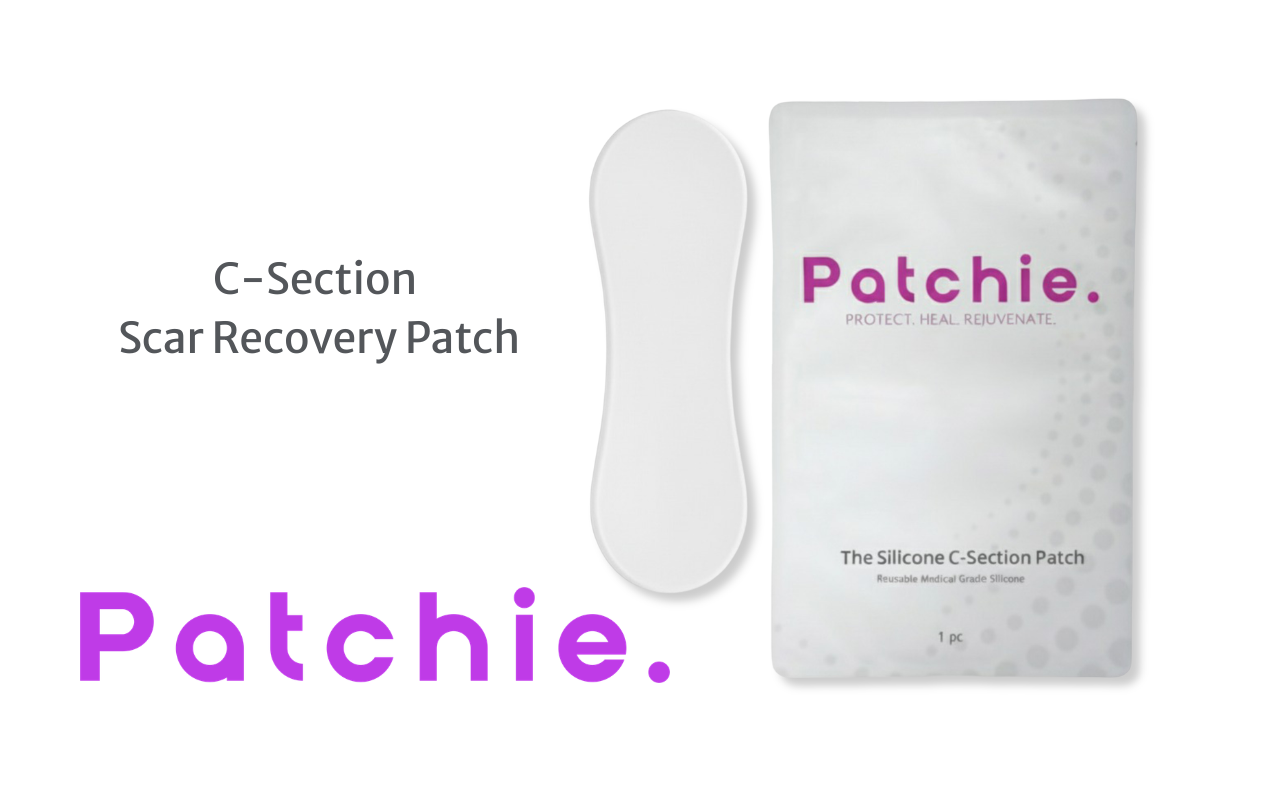
The Science of Smooth: Using Medical-Grade Silicone for Abdominal Scarring

Whether it’s the result of a life-changing C-section, a necessary hysterectomy, or an unexpected abdominal surgery, scars are more than just marks on the skin. They are physical narratives of strength, resilience, and recovery. However, for many women, the journey doesn't end once the incision has closed. Abdominal scarring often brings a host of unwanted side effects: persistent itching, a "tugging" sensation, redness, and a loss of confidence in how the skin looks and feels.
If you’ve been searching for a way to manage your scar more effectively, you’ve likely navigated a sea of "miracle" oils, herbal lotions, and home remedies. But when it comes to clinical results and long-term skin rejuvenation, one ingredient stands alone as the gold standard: Medical-Grade Silicone.
At Patchie, we’ve harnessed the advanced science of silicone to create a recovery ritual that isn't just effective; it’s lux. Let’s dive deep into the biology of healing and why silicone is the only choice for the modern woman’s surgical recovery.
The Gold Standard: A Legacy of Clinical Excellence
While many skincare trends come and go, medical-grade silicone remains the undisputed "Gold Standard" in scar management—a title it has held for over four decades. Its reputation isn't built on marketing hype; it is built on rigorous clinical evidence and the trust of the world's leading medical institutions.
Why the Medical Elite Choose Silicone
If you walk into a prestigious dermatology clinic, a specialized burn unit, or a high-end plastic surgery suite today, you will find medical-grade silicone at the heart of their recovery protocols. Here is why it carries so much weight in the professional community:
- Decades of Proven Safety: Since the early 1980s, silicone has been the primary non-invasive treatment used by surgeons to prevent and treat abnormal scarring.
- The Hospital Benchmark: In hospital settings, particularly for skin grafts and significant trauma, silicone is used because of its unique ability to normalize the healing environment.
- Endorsed by Experts: The International Advisory Panel on Scar Management recommends medical-grade silicone as the first-line preventative treatment for surgical scars.
When you choose Patchie, you are utilizing the exact same technology trusted by plastic surgeons to ensure their patients' results look as seamless and refined as possible.
How the Body Heals: The Biology of a Scar
To understand why silicone works, we first have to understand what happens beneath the surface. When an abdominal incision is made, the body’s natural defense system kicks into high gear. To "patch" the gap, your system produces collagen; a structural protein that acts as the scaffolding for new skin.
In a perfect world, this collagen would lay down in a neat, organized pattern. However, abdominal surgery presents a unique challenge: the skin is under constant tension from movement, breathing, and clothing. When the healing environment is dry or stressed, the body often overcompensates by sending too much collagen to the area. This leads to hypertrophic or keloid scars, which are raised, thick, and can remain red and sensitive for years.
The Secret of "Occlusion": How Silicone Works
Medical-grade silicone doesn't just sit on top of your scar like a band-aid; it actively changes the physiological environment of the tissue through a process called occlusion. When you apply a Patchie Silicone Strip to a fully closed wound, it creates a semi-permeable barrier that does two things:
- Hydration Lock: It mimics the skin’s natural moisture-locking ability. By trapping moisture against the scar, it sends a signal to your brain that the area is fully hydrated.
- The Collagen Brake: When the brain receives that "hydrated" signal, it tells the body to slow down collagen production. This prevents the scar from becoming raised and lumpy. Over time, the collagen fibers begin to reorganize into a flatter, softer, and more flexible structure.
Why Patchie Silicone is the Superior Choice
Not all silicone products are created equal. We designed Patchie to solve the common frustrations women face during the months-long recovery process.
1. No More "Painful and Damaging" Removal
Many traditional surgical tapes use aggressive adhesives that are painful to pull off. For a woman healing from surgery, the last thing she needs is a daily "rip" that tugs at fragile new skin. Patchie uses a premium adhesive designed for a painless "lift-and-lay" application.
2. Thickness for Physical Protection
Most silicone tapes are paper-thin. A Patchie strip is designed with a deliberate, plush thickness. This acts as a physical "buffer" or cushion between your sensitive scar and your clothes—protecting you from the "sting" of waistbands or seatbelts.
3. The Reusable Revolution
Unlike single-use tapes, Patchie is designed for longevity. Our strips are washable and reusable. One strip can last for weeks of daily wear—simply rinse with mild soap, air dry, and re-apply.
The Safety Check: The "Green Light" for Silicone
At Patchie, your safety is our priority. Never apply silicone patches to an open wound. Silicone therapy is for fully closed wounds only. You should wait until your doctor has given you the "all-clear" (usually around 6 weeks). The incision should be dry, with no more scabbing or oozing. Once that skin is "knitted," Patchie becomes your most powerful tool for fading and flattening.
Reclaiming Your Confidence
Abdominal surgery is a major life event, and your body deserves to be treated with the best science has to offer. By choosing the medical-grade occlusion of Patchie, you aren't just covering a scar—you are actively participating in your skin’s rejuvenation.