Abs After C-Section: The Reality of Core Recovery and Healing

If you’ve spent any time on social media lately, you’ve probably seen the "snap back" culture in full swing. But when you’ve had a C-section, the journey to getting your abs after c-section back isn't just about crunches and planks—it’s about respect for major abdominal surgery recovery.
At Patchie, we’re all about the long game. Whether you’re a fitness enthusiast aiming for a HYROX finish line or just want to feel strong enough to lift your pram without that nagging "twinge," core recovery starts from the outside in.
The Anatomy of a C-Section: What Happened to Your Abs?
During a C-section, surgeons don’t actually cut through your abdominal muscles; they move them aside to reach the uterus. However, the connective tissue (the fascia) and the skin are definitely impacted. This is why you might feel that "shelf" or a complete lack of connection to your core in the weeks following birth.
Before you even think about a workout, you have to address two things: Internal support and External skin integrity.
Phase 1: Support and Compression
In the early days, focus on protection. High-quality c-section compression garments and c-section recovery bands are essential. They provide the "hug" your internal organs need while your incision is still in the waterproof dressing stage. This isn't about vanity; it’s about providing a stable environment for your tissues to knit back together.
Phase 2: Protecting the Incision as You Move
Once your doctor gives you the green light to start light movement (usually at your 6-week check-up), your scar is still "fresh" and incredibly vulnerable to tension. This is where many mums run into trouble. They start walking or stretching, and the scar begins to pull, itch, or even thicken.
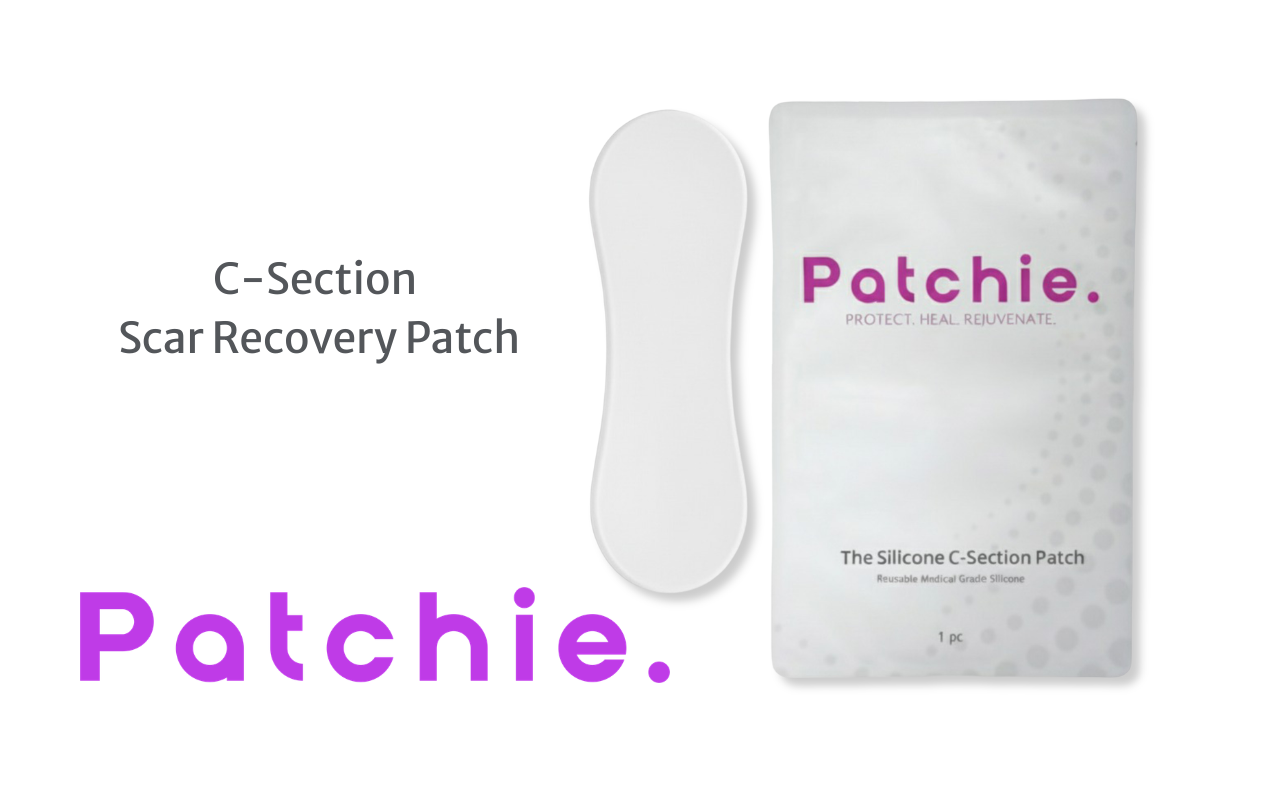
This is why the Patchie C-Section Strip is a workout essential you didn't know you needed.
Why Patchie is Better Than Tape for Active Mums
If you’ve been told to use standard c-section tape, you’ll quickly find it’s not built for movement.
- Painless Removal: Standard tape can be painful and damaging to pull off, especially when you're sweaty. Patchie’s medical-grade silicone lifts away gently without ripping at the fragile new skin cells.
- The Safety Check: Remember, never apply Patchie to an open wound. Wait until your incision is fully closed, with no scabbing or oozing, before starting your silicone therapy.
- Thickness as a Buffer: Our strips have a specific density that acts like a "cushion" between your scar and your high-waisted leggings. No more painful rubbing or chafing during your walks.
- Contoured for Movement: While straight tape bunches and peels the moment you move, Patchie is anatomically shaped to stay flat against your body’s natural curves.
Why "Abs" Start with Scar Care
If a scar heals "tight" (meaning it adheres to the tissue underneath), it can actually limit how well you can engage your core muscles. C-section wound therapy using silicone strips ensures the skin remains pliable and soft.
By using our reusable silicone patches, you’re ensuring that as your muscles get stronger, your skin is flexible enough to move with you. Plus, because they are washable and reusable, you can wear them under your gym gear, wash them after your session with mild soap, and they’re ready for the next day.
The Patchie Recovery Timeline for Fitness
- Rest: Focus on breathwork and wearing your c-section compression.
- The All-Clear: Once your doctor confirms the wound is fully closed, apply your Patchie C-Section Strip.
- Move: Slowly reintroduce core work. Keep your Patchie on to provide that "second skin" layer of protection against friction.
The Goal: Healing that is as strong and resilient as you are.