The Ultimate Guide to Silicone for Scars: Why It’s the Gold Standard for Healing

Whether you are recovering from a major surgery, a minor burn, or changes to your skin after pregnancy, the way your skin heals matters. One term consistently appears in dermatologist recommendations and search results alike: silicone for scars.
But why is silicone considered the gold standard? In this guide, we will explore how silicone scar treatments work, compare formats like sheets, also known as patches, and gels, and explain when and how to use them for the best results.
How Do Silicone Scar Treatments Work?
To understand how silicone helps, it is important to first understand how scars form.
When your skin is injured, your body produces collagen to repair the area. If too much collagen is produced, or if the skin becomes dehydrated during healing, this can lead to raised, red, or thickened scars.
Silicone supports the healing process through two key mechanisms.
Hydration plays a central role. Silicone creates an occlusive barrier over the skin, helping to lock in moisture and prevent trans epidermal water loss. This hydration signals to the body that excess collagen production is not required.
Regulation is the second mechanism. By stabilising the environment around the scar, silicone helps regulate collagen production. Over time, this can help soften and flatten the scar so it blends more naturally with the surrounding skin.
Silicone Sheets (Patches) vs Silicone Gel: Which Is Best?
When choosing a silicone scar treatment, most people decide between two main formats. Both are clinically effective but suited to different uses.
Silicone sheets, also commonly referred to as silicone patches, are designed to sit directly on the skin for extended periods. This allows consistent contact with the scar, which is essential for effective results.
They are best suited to larger, flat areas such as the abdomen, back, or legs, as well as C section scars and stretch marks. They can also be used on the face, neck, and chest, and are particularly effective for raised scars such as hypertrophic scars and keloids.
Silicone sheets are reusable and long lasting, and they provide consistent contact with the skin. They also offer a slight level of pressure, which can support scar flattening. However, they can be more difficult to apply on joints or areas with a lot of movement.
Silicone gel is a more flexible alternative. It is best suited to smaller areas such as the hands or areas that move frequently.
The main advantage of silicone gel is that it dries invisibly on the skin, making it easy to layer with sunscreen or makeup. However, it does require reapplication two to three times per day and can rub off on clothing, which may reduce consistency.
When to Start Using Silicone
A common question is when to begin using silicone.
The most important rule is that silicone should never be applied to an open wound.
You should wait until the wound is fully closed, any scabbing has naturally resolved, and stitches have been removed. This typically occurs between two to four weeks after injury or surgery.
Can Silicone Help Old Scars?
Yes, clinical studies have shown that medical grade silicone can deliver meaningful improvements in both new and mature scars. This includes reductions in redness, thickness, and overall texture.
New scars tend to respond more quickly and visibly, particularly when silicone is introduced early in the healing process. Older scars can still show improvements in softness, texture, and overall appearance over time, although results are usually more gradual.
While silicone remains effective even for mature scars, starting treatment earlier typically leads to stronger and faster results. Consistency remains important in both cases.
Clinical Effectiveness: Does Silicone Really Work?
Clinical studies have shown that medical grade silicone can reduce scar height by up to eighty six percent and reduce redness by up to eighty four percent. It has also been shown to significantly improve skin softness and flexibility.
This is why silicone is widely recommended by dermatologists as a first line, non invasive treatment for scar management.
Silicone vs Other Treatments
Compared to alternatives such as hydrocolloid dressings, silicone offers specific advantages.
Hydrocolloids are effective for healing active wounds, but they do not provide the same level of collagen regulation required for long term scar improvement.
Silicone is specifically designed for scar remodelling, making it more suitable once the skin has healed.
What to Look for in a Silicone Product
Silicone scar treatments are widely available, but quality matters.
When choosing a product, it is important to look for medical grade silicone, as this helps ensure proper breathability, effective hydration balance, and durability over repeated use.
Reusability is a key feature. High quality silicone sheets, also known as patches, should be reusable over multiple wears.
Texture is also important. The surface should feel smooth and flexible against the skin.
Thickness plays a role in performance. A well designed silicone patch should have enough structure without feeling bulky.
Stickiness, or adhesion, is another important factor. A good silicone patch should adhere securely to the skin without additional adhesives.
Tips for Success: The Importance of Consistency
The most important factor in scar treatment is consistency.
Silicone sheets should be worn for at least six hours per day for best results. Longer wear provides more optimal outcomes.
Some improvements can be visible quickly, however stronger results develop over eight to twelve weeks.
Reusable sheets should be cleaned daily using water or mild soap.
Where Patchie Fits In
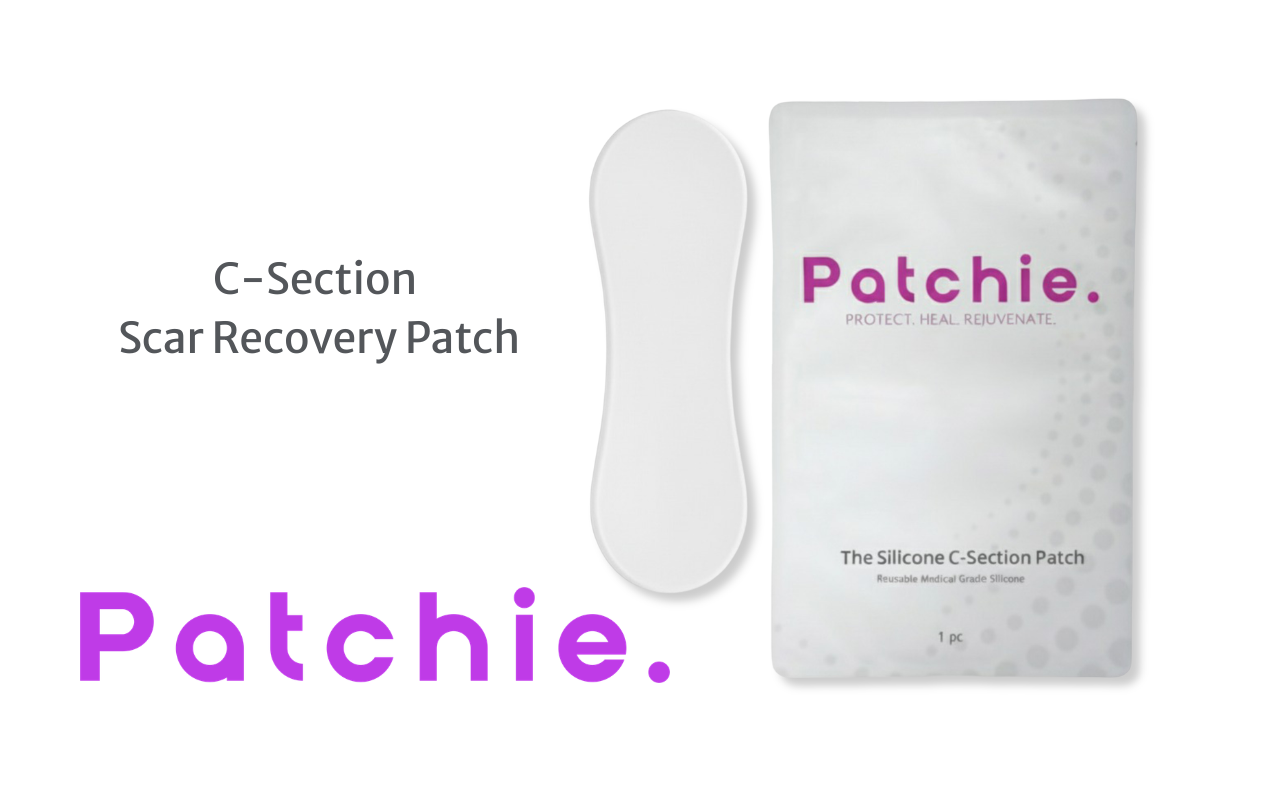
Patchie focuses on medical grade silicone patches designed for consistent and repeat use.
Silicone supports structural skin repair by maintaining hydration and balanced collagen production.
Final Thoughts
With the right timing, consistency, and quality product, meaningful improvements are achievable.