What Causes Stretch Marks in Pregnancy? The Science of the "Dermal Tear"

For many expectant mothers, the appearance of "tiger stripes" or "lightning bolts" across the abdomen, breasts, and hips is considered a rite of passage. However, for those looking to maintain their skin health, the question remains: What is actually happening beneath the surface? Known medically as striae gravidarum, pregnancy stretch marks are more than just a cosmetic change. They are a physiological response to the incredible structural demands of growing a human. To effectively manage and treat them, we must first understand the clinical mechanisms of the "dermal tear," the influence of hormones, and the critical role of nutrition—specifically Vitamin C and Vitamin D.
The Biological "Snap": Understanding the Dermal Layer
To understand stretch marks, we have to look at the skin’s architecture. Your skin is composed of three primary layers: the epidermis (outer layer), the dermis (middle layer), and the subcutaneous tissue (deepest layer).
Stretch marks are essentially scars that form in the dermis. The dermis is the "engine room" of your skin, packed with collagen and elastin fibers that provide strength and "snap-back" capability. During pregnancy, your body undergoes rapid expansion. When the uterus grows faster than the dermis can produce new skin cells, the elastic fibers literally reach their breaking point.
When these fibers snap, the underlying blood vessels become visible through the tears, which is why new stretch marks appear bright red or purple. This is not a surface-level issue; it is a deep-tissue injury.
The Hormonal "Softening" Effect
It isn't just the physical size of the baby that causes tearing. If it were, every woman with a large bump would have identical marks. The missing piece of the puzzle is hormonal activity.
During pregnancy, the body produces a surge of hormones like cortisol, estrogen, and relaxin. While these hormones are vital for loosening the ligaments in your pelvis to prepare for birth, they also have a "softening" effect on the skin's collagen.
- Cortisol, in particular, can reduce the effectiveness of the fibroblasts (the cells that create collagen) in the dermis.
- When collagen is "softened" by hormones, the skin's structural integrity is compromised, making it far more likely to tear under the mechanical pressure of a growing bump.
The Nutrient Connection: Vitamin C and Collagen Stability
One of the most overlooked factors in the development of stretch marks is nutritional status. Recent clinical studies have highlighted a significant correlation between low blood levels of Vitamin C and the severity of striae gravidarum.
Vitamin C is the essential co-factor for collagen synthesis. Think of Vitamin C as the "glue" that stabilizes the triple-helix structure of collagen molecules. Without adequate Vitamin C, the collagen your body produces is weaker and less organized.
- The Science: Research published in PubMed suggests that women with higher antioxidant intake, specifically Vitamin C, demonstrate better skin elasticity.
- The Takeaway: Supporting your body internally with Vitamin C-rich foods (like citrus, bell peppers, and berries) provides the building blocks your skin needs to remain resilient during the "big stretch."
Vitamin D: The New Frontier in Skin Elasticity
While Vitamin C builds the collagen, Vitamin D regulates the skin’s overall health and repair cycle. A 2015 study published in the Journal of the European Academy of Dermatology and Venereology found that women with a Vitamin D deficiency were significantly more likely to develop severe stretch marks.
Vitamin D receptors are located throughout the skin’s layers. It plays a decisive role in the proliferation of keratinocytes and the maintenance of the skin barrier. When Vitamin D levels are optimal (typically ≥30 ng/mL), the skin is better equipped to manage the inflammatory response of a dermal tear, potentially leading to faster healing and less permanent scarring.
Genetics and Maternal Age: The Predisposition Factor
We cannot talk about the causes of stretch marks without acknowledging the role of DNA. Your genetic blueprint determines the "starting point" of your skin’s elasticity. If your mother or sisters developed deep stretch marks, you are likely predisposed to the same dermal response.
Interestingly, maternal age also plays a paradoxical role. Younger skin is often tighter and more "firm," which actually makes it more prone to tearing than the skin of women in their 30s or 40s. Older skin typically has slightly more "give," which can sometimes result in fewer marks during a first pregnancy.
Why Surface Creams Often Fail
Most women turn to cocoa butter or oils the moment they see a mark. However, because stretch marks are a dermal tear, surface-level creams often struggle to reach the depth required to make a structural difference.
Furthermore, many oils are "emollients," which simply soften the top layer of dead skin cells (the epidermis) without addressing the moisture loss occurring in the dermis. This is why medical-grade silicone technology has become the preferred choice for those seeking a science-based solution.
How to Support Your Skin
Understanding that stretch marks are a result of mechanical tension, hormonal changes, and nutritional gaps allows for a more holistic approach to prevention and treatment:
- Hydration (Internal & External): Drinking water keeps the skin cells plump, but using an occlusive barrier (like silicone) prevents that water from evaporating.
- Micronutrient Support: Ensure your Vitamin D and Vitamin C levels are monitored by your doctor.
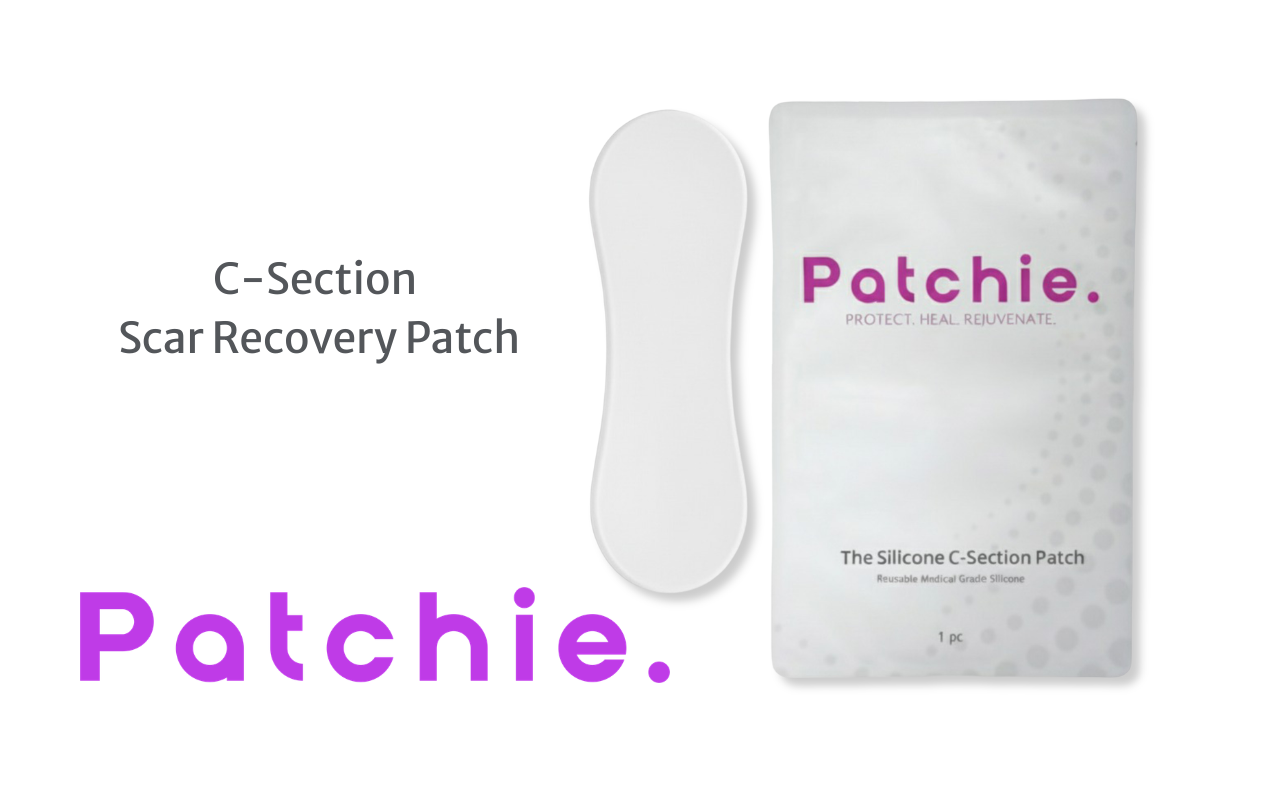
- Mechanical Support: Using medical-grade silicone patches provides a physical "hug" for the skin, reducing the strain on the dermal fibers and trapping moisture precisely where the tears are occurring.
Conclusion
Stretch marks are a testament to the incredible flexibility and power of the female body. While they are a biological response to the growth of your baby, understanding the science of the "dermal tear" empowers you to support your skin with the right nutrients and medical-grade technology. By focusing on collagen stability and barrier protection, you can help your skin navigate the transition of pregnancy with resilience.