Pregnancy Stretch Marks: When They Happen, Prevention Tips & The Best Postpartum Care Guide
Pregnancy is one of the most incredible journeys your body will ever experience, and with that journey often comes change. One of the most common skin changes is the development of pregnancy stretch marks, affecting up to 90% of expectant mums. While stretch marks are completely normal, many women want to know how they can best support their skin during pregnancy and after birth.
If you're wondering when do stretch marks happen in pregnancy, how to care for white postpartum stretch marks, or what the best creams for pregnancy stretch marks available in Australia are, this guide will walk you through the science behind stretch marks and how medical-grade silicone can support your skin from pregnancy through to postpartum recovery.
What Are Pregnancy Stretch Marks?
Pregnancy stretch marks, also known as striae gravidarum, develop when the skin stretches faster than collagen and elastin fibres can adapt. This rapid stretching causes tiny tears within the deeper layers of the skin, creating the streaks that commonly appear across the belly, breasts, hips and thighs.
Fresh stretch marks are usually pink, red or purple before gradually fading into lighter white or silver lines during the months after birth.
While they may never disappear completely, the right skincare routine can help support skin hydration and improve their overall appearance over time.
When Do Stretch Marks Happen in Pregnancy?
One of the most common questions mums ask is when do stretch marks happen in pregnancy?
For most women, stretch marks begin appearing between 24 and 35 weeks, when your baby experiences the fastest period of growth. Some women notice them earlier, while others don't see them until after delivery when swelling settles.
Several factors influence whether you'll develop stretch marks, including:
- Genetics
- Skin elasticity
- Hormonal changes
- Rate of weight gain
- Hydration
- Multiple pregnancies
Because genetics play a significant role, no skincare product can guarantee prevention. However, maintaining healthy, hydrated skin may help reduce their severity while keeping your skin more comfortable as your bump grows.
How to Prevent Pregnancy Stretch Marks With Skincare Products
If you're researching how to prevent pregnancy stretch marks with skincare products, consistency is far more important than expensive ingredients.
Look for products that help support the skin barrier rather than simply sitting on the skin's surface.
Popular ingredients include:
- Hyaluronic Acid
- Ceramides
- Vitamin E
- Shea Butter
- Squalane
- Cocoa Butter
- Medical-grade silicone
Medical-grade silicone works differently to traditional oils and creams. It forms a breathable protective layer that helps reduce transepidermal water loss (TEWL), allowing the skin to retain its own natural moisture while supporting its natural repair processes. Unlike many skincare products, medical-grade silicone contains no active or absorbable ingredients, making it a pregnancy-safe, no-tox option that can be used throughout pregnancy and into the postpartum period.
Rather than being absorbed into the skin, silicone sits on the surface to create an optimal hydration environment, helping to support skin elasticity as your bump grows and continuing to support your skin as it recovers after birth.
This ongoing hydration is particularly beneficial postpartum, when the skin is naturally remodelling after months of stretching. If you've had a Caesarean birth, once your incision has fully healed and your healthcare provider advises it's safe, medical-grade silicone is also widely recognised as the gold standard for helping manage C-section scars. This means silicone can support your skin throughout your pregnancy journey—from caring for your growing bump to helping care for postpartum stretch marks and healed C-section scars after birth.
Stretch Mark Oils vs Medical-Grade Silicone
Stretch mark oils have long been a popular choice during pregnancy, helping to soften the skin and making daily massage a relaxing part of many mums' skincare routine. Common ingredients include rosehip oil, sweet almond oil, jojoba oil and Vitamin E.
While oils help moisturise the surface of the skin, they are gradually absorbed or wear away throughout the day, meaning they need frequent reapplication to maintain hydration.
Medical-grade silicone works differently. Rather than relying on oils or active ingredients, it creates a breathable, protective layer over the skin that helps reduce transepidermal water loss (TEWL). This allows the skin to retain its own natural moisture for longer, supporting hydration throughout the outer layers of the skin and creating an optimal environment for skin repair and remodelling.
Unlike many topical skincare products, medical-grade silicone contains no active or absorbable ingredients, making it a pregnancy-safe, no-tox option that can be used throughout pregnancy and continued into the postpartum period.
There's a reason medical-grade silicone is considered the gold standard in scar management—its ability to maintain consistent hydration has been extensively studied and is widely used by healthcare professionals to support the appearance of scars. The same hydration principles make it an excellent option for supporting skin that's stretching during pregnancy and continuing to care for it throughout the postpartum period.
Best Creams for Pregnancy Stretch Marks Available in Australia
If you're searching for the best creams for pregnancy stretch marks available in Australia, focus on products that support hydration and strengthen the skin barrier rather than products promising unrealistic results.
Popular ingredients include:
- Ceramides
- Hyaluronic Acid
- Shea Butter
- Cocoa Butter
- Vitamin E
- Medical-grade silicone
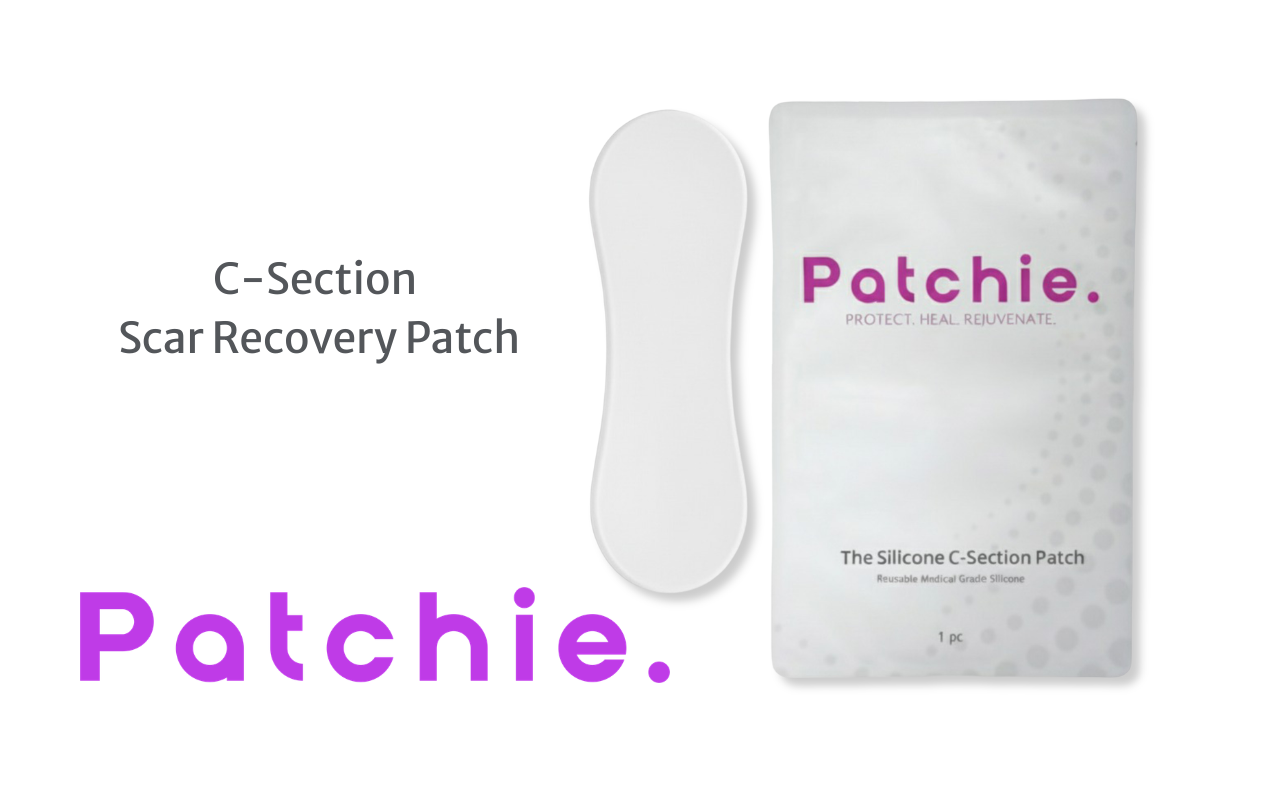
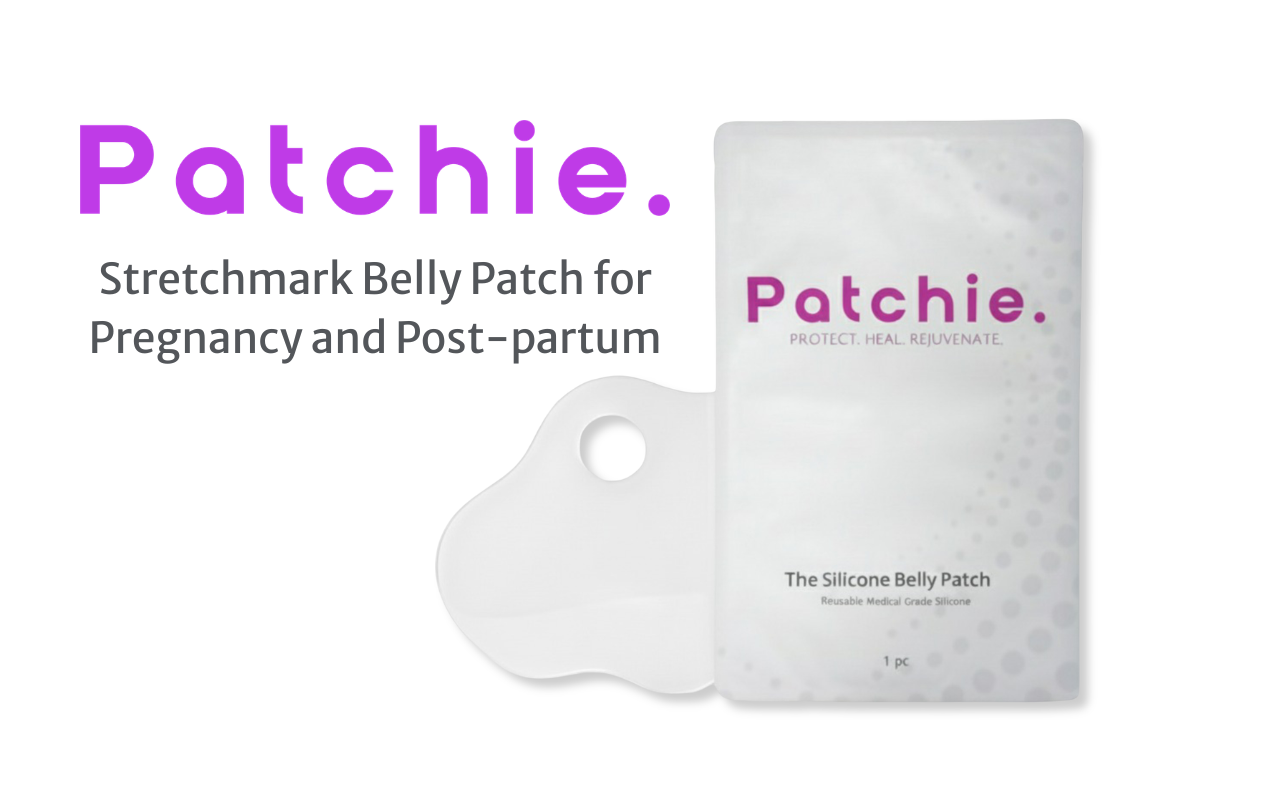
Many Australian mums also choose pregnancy stretch mark bundles that support both pregnancy and postpartum recovery. A combination of a reusable Silicone Belly Patch during pregnancy and a Silicone C-Section Patch after birth (if required) allows you to continue caring for your skin throughout every stage of your journey.
White Postpartum Stretch Marks & Recovery
Many women become concerned when their stretch marks turn white after pregnancy. In reality, white postpartum stretch marks are simply mature stretch marks that have naturally healed over time.
Although they become less noticeable, your skin continues remodelling for many months after birth. Continuing to maintain hydration and support your skin barrier during the postpartum period can help improve the overall appearance and texture of stretch marks as they mature.
Do Dermatologists Offer Advanced Treatments for Post-Pregnancy Stretch Marks?
For women wanting additional treatment, dermatologists may recommend options such as:
- Fractional laser treatments
- Microneedling
- Radiofrequency microneedling
- Chemical peels
- Prescription retinoids (only after pregnancy and if appropriate)
These treatments aim to improve the appearance of stretch marks rather than remove them completely. Many women begin with a consistent skincare routine focused on hydration before considering more advanced procedures.
Supporting Your Skin Before and After Baby
Looking after your skin doesn't stop once your baby arrives. Pregnancy and postpartum are both periods of significant skin remodelling, making continued hydration just as important after birth as it is during pregnancy.
Patchie's reusable Silicone Belly Patch is designed to support your skin throughout pregnancy by helping reduce moisture loss and maintaining hydration as your bump grows. After birth, it can continue supporting postpartum skin as it recovers.
For mums who have delivered via Caesarean section, Patchie's Silicone C-Section Patch is designed for use once the incision has fully healed and your healthcare provider confirms it's safe. Made from 100% medical-grade silicone, it helps provide the ideal hydration environment for scar care while reducing friction from clothing.
Final Thoughts
Pregnancy stretch marks are a completely normal part of growing your baby, but that doesn't mean you can't support your skin along the way. A consistent skincare routine focused on hydration, barrier support and medical-grade silicone can help keep your skin comfortable throughout pregnancy and continue supporting it during postpartum recovery.
Whether you're researching how to prevent pregnancy stretch marks with skincare products, looking for the best creams for pregnancy stretch marks available in Australia, comparing stretch mark oils, or planning your postpartum care, choosing products backed by science can help you care for your skin with confidence.
With Patchie's reusable Silicone Belly Patch and Silicone C-Section Patch, you can support your skin from your growing bump through to postpartum recovery using a pregnancy-safe, no-tox solution trusted in scar care worldwide.